






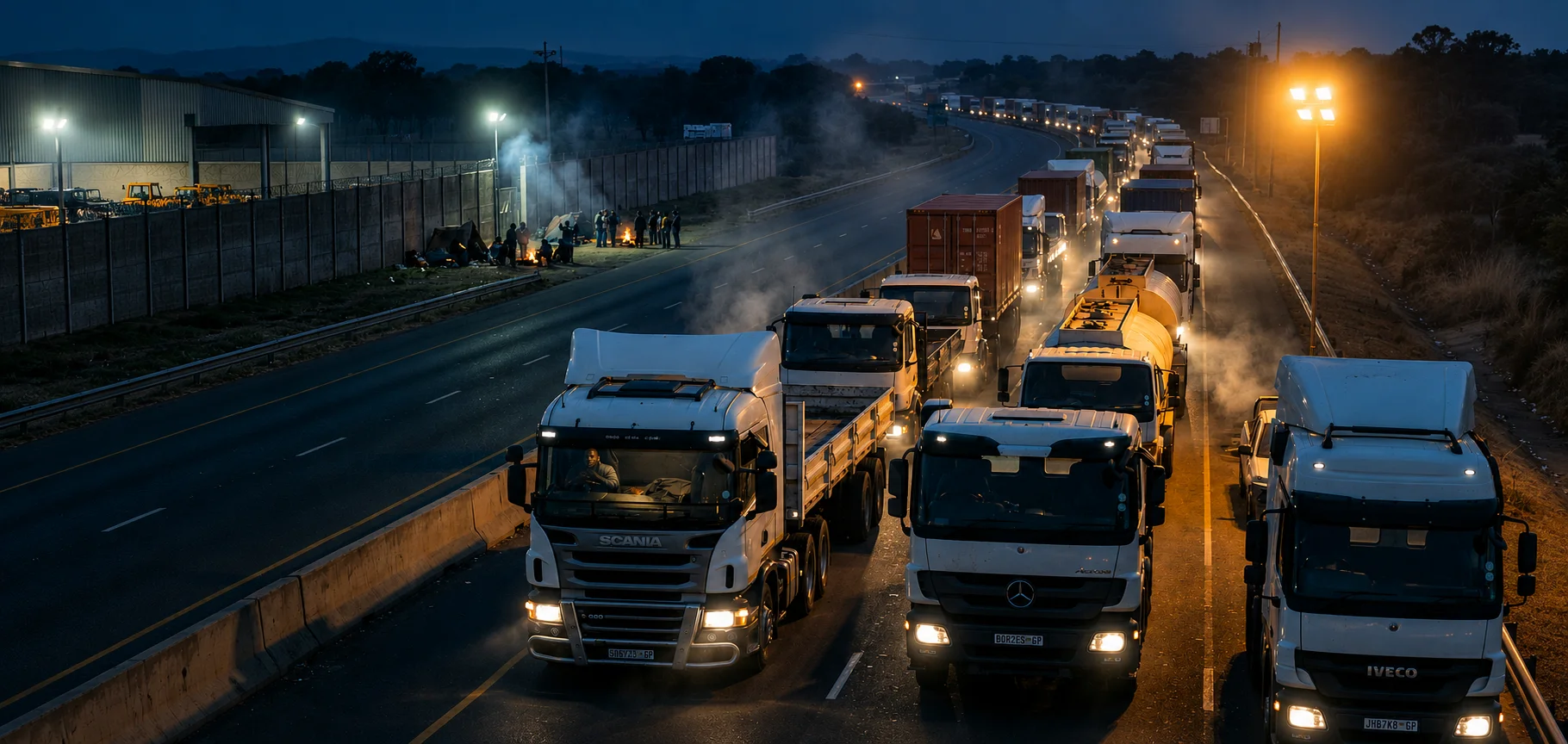
A ban on foreign truck drivers could choke South Africa’s trade arteries, destroy jobs, surrender regional freight to competitors and turn anti-immigrant politics into a self-inflicted economic disaster almost overnight.
South Africa is approaching 30 June amid fear, anger and political theatre. Anti-immigration groups are demanding that undocumented foreigners leave the country, threatening protests and a possible national shutdown if government does not act. Migrants from Zimbabwe, Malawi, Mozambique and Nigeria are reportedly fleeing or seeking safety, while the state insists the deadline has no legal force.
Into this tinderbox comes a dangerous idea: barring foreign nationals from driving South African-registered trucks.
It may sound patriotic. In reality, it could become an economic wrecking ball.
The drivers South Africa cannot simply replace
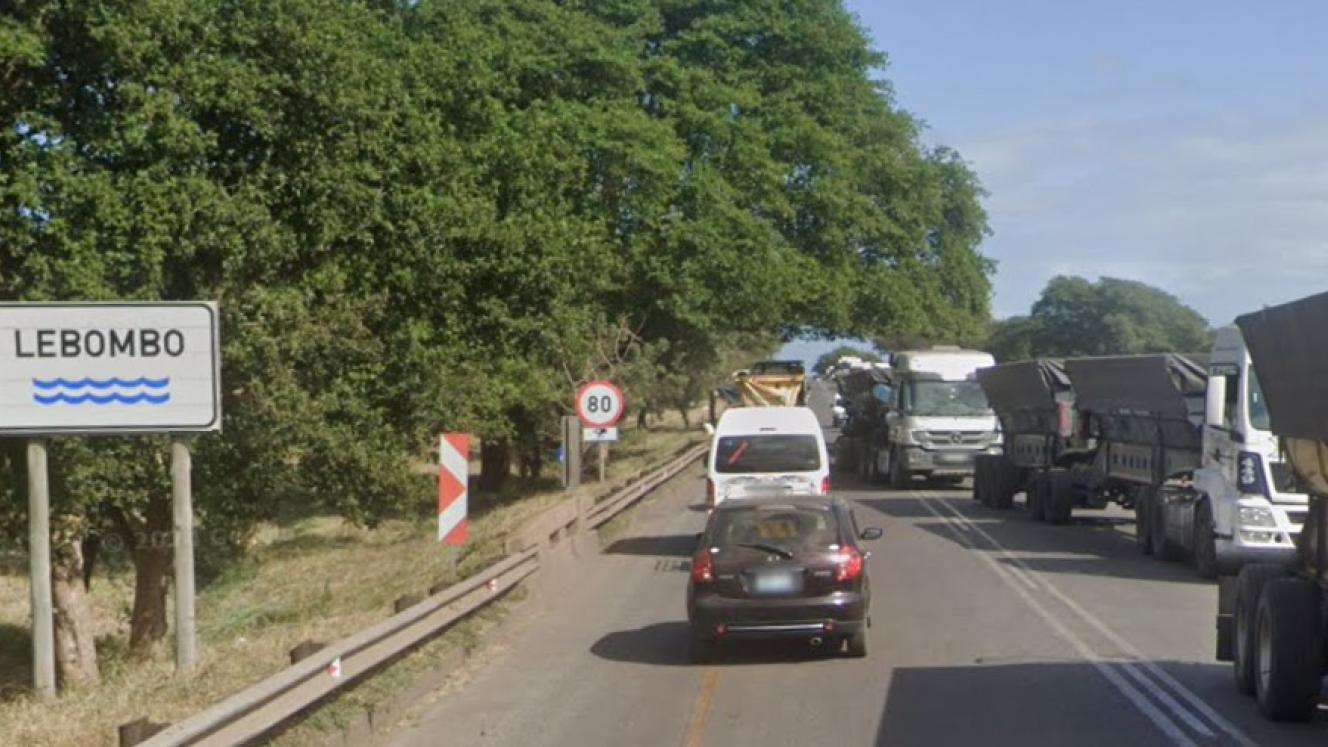
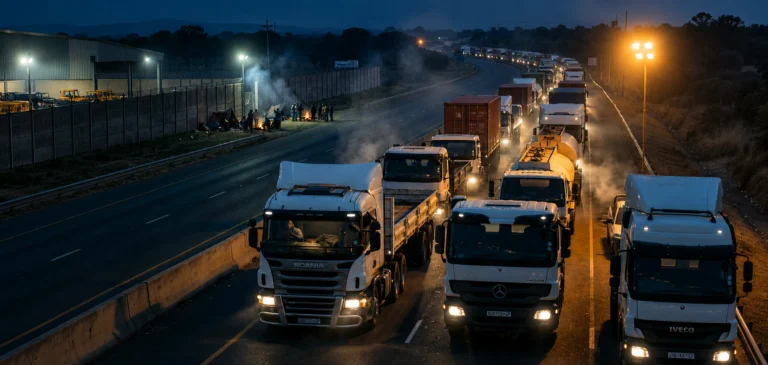
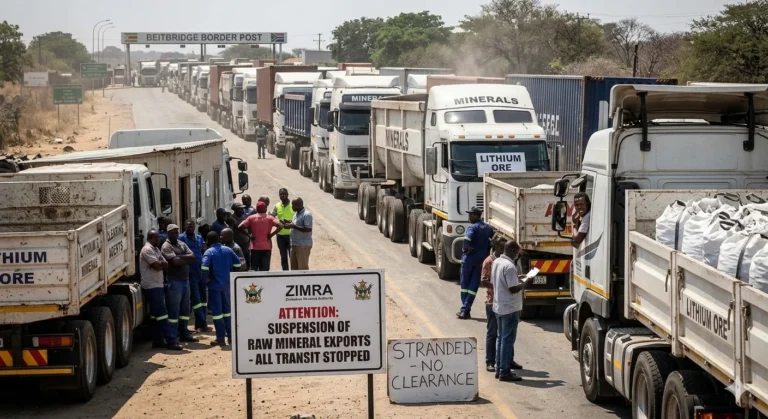
The cross-border freight industry does not operate in the fantasy world of slogans. It operates through border queues, broken roads, corruption, armed intimidation, exhaustion and weeks spent sleeping in a cab.
Mike Fitzmaurice, vice-president for Southern Africa at the African Union of Transportation and Logistics Organisations and chief executive of the TRANSIST Bureau, says many South African transport companies rely on drivers from Zimbabwe, Zambia and Malawi for routes through Botswana, Zimbabwe and Zambia into the Democratic Republic of Congo.
These drivers, he says, do not live in South Africa. They enter under 14-day visa exemptions in terms of Section 11(2) of the Immigration Act to collect or deliver cargo.
“There is a valid reason why the foreign drivers are employed for cross-border driving,” Fitzmaurice says. Conditions in parts of the region, particularly the DRC, are harsh and dangerous, with drivers exposed to robbery, assault and abuse by military or police personnel.
South African drivers, he warns, frequently refuse these assignments.
This is not a job swap
The assumption that every foreign driver removed creates an instant job for a South African is dangerously simplistic.
Cross-border drivers can spend up to 45 days away from home. They face border delays, unstable security conditions and punishment bearing little resemblance to South African traffic enforcement. Fitzmaurice says foreign drivers raised in these environments are streetwise, experienced and able to survive conditions many local drivers will not accept.
Remove them and the trucks do not automatically keep moving. Some will stand still.
When trucks stop, factories wait for parts. Mines wait for equipment. Retailers wait for stock. Exporters miss delivery windows. Fuel, food and industrial inputs become more expensive. Every delay travels through the economy like a shockwave.
A gift to foreign competitors
The cruellest irony is that a ban intended to protect South African interests could hand the cross-border market to foreign-registered transporters.
If South African fleets cannot crew their vehicles, regional competitors will take the loads. Revenue, contracts and operational control will move across the border. South Africa will lose company income, taxable activity and jobs in dispatch, maintenance, warehousing, insurance and administration.
“The consequences would be catastrophic for the industry,” Fitzmaurice says, warning of mass unemployment, devastating economic losses and reduced tax collection.
This would not be economic nationalism. It would be economic surrender.
Xenophobia can cross borders too
The danger does not end with driver shortages. South Africa’s treatment of foreign nationals has consequences beyond its borders.
Fitzmaurice warns that repatriations and previous xenophobic attacks have created deep tension in Zimbabwe, Zambia and Malawi. South African drivers sent north could fear retaliation, intimidation or violence from communities angered by events in South Africa.
That creates a vicious cycle: foreign drivers are barred, South Africans refuse or fear the routes and foreign carriers fill the vacuum.
Government must enforce immigration law, but enforcement without understanding freight realities could cripple the businesses it claims to protect. A reckless ban would not merely remove drivers from cabs. It could remove South African trucks from regional trade, export South African revenue and leave the country paying more for everything.